
Pledging
These are the original issues in this subcategory
- NONPOINT SOURCE POLLUTION
- PLASTIC POLLUTION
- EMERGING CONTAMINANTS
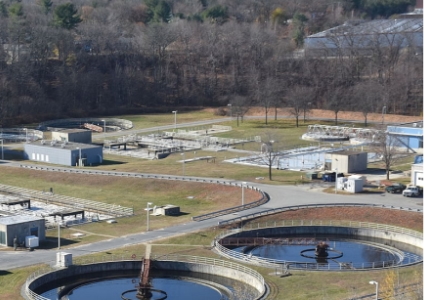
Much of our drinking water comes from rivers and lakes which have wastewater treatment plants located in or near these bodies of water. These facilities treat the water that is drained and flushed from nearly every American community. In addition to stormwater sweeping contaminants into these waterways, there is concern that our sewage plants are also passing dangerous contaminants into our water supplies. Traditional sewage treatment plants kill pathogenic microorganisms before releasing treated water into our waterways, but there are many other contaminants they are unable to treat or remove.
Typical wastewater contains many chemicals, pharmaceuticals and hormones - many of which remain biologically active after being discarded. These “emerging contaminants” include ibuprofen, caffeine, estrogen, testosterone and drugs that lower cholesterol and inhibit seizures. Hormones such as estrogen appear to alter aquatic organisms, and studies show emerging contaminants may be contributing to the worldwide fall in wildlife populations. It is also known that some of these chemicals can disrupt human endocrine systems, causing health problems such as infertility and cancer. Of growing concern are perfluoroalkyl or polyfluoroalkyl substances, commonly referred to as PFAS, and used in a variety of products such as nonstick cookware, carpets and weatherproof clothing. Our military and the aerospace, automotive, construction and electronics industries also use PFAS - which likely have adverse health effects on organisms and people.
Pending Legislation: H.R.4721 - Healthy H2O Act
Sponsor: Rep. David Rouzer (NC)
Status: House Committee on Agriculture
Chair: Rep. Glenn Thompson (PA)
Typical wastewater contains many chemicals, pharmaceuticals and hormones - many of which remain biologically active after being discarded. These “emerging contaminants” include ibuprofen, caffeine, estrogen, testosterone and drugs that lower cholesterol and inhibit seizures. Hormones such as estrogen appear to alter aquatic organisms, and studies show emerging contaminants may be contributing to the worldwide fall in wildlife populations. It is also known that some of these chemicals can disrupt human endocrine systems, causing health problems such as infertility and cancer. Of growing concern are perfluoroalkyl or polyfluoroalkyl substances, commonly referred to as PFAS, and used in a variety of products such as nonstick cookware, carpets and weatherproof clothing. Our military and the aerospace, automotive, construction and electronics industries also use PFAS - which likely have adverse health effects on organisms and people.
Pending Legislation: H.R.4721 - Healthy H2O Act
Sponsor: Rep. David Rouzer (NC)
Status: House Committee on Agriculture
Chair: Rep. Glenn Thompson (PA)
- I oppose reforming current emerging contaminant policy, and wish to donate resources to the campaign committee of Speaker Mike Johnson (LA).
- I support improving rural and underserved communities' drinking water by establishing a USDA grant program for testing, treatment, and maintenance of water quality systems, targeting contaminants like PFAS, lead, and nitrates, and boosting consumer confidence by: 1.) Establishing a grant program under the Consolidated Farm and Rural Development Act to help cover costs for water treatment products, including point-of-entry and point-of-use systems. 2.) Addressing hazardous contaminants common in rural water, such as PFAS, lead, and nitrates. 3.) Extending eligibility to rural homeowners, renters, and licensed child-care facilities who can prove the presence of contaminants. Household income must not exceed 150% of the state's median nonmetropolitan income. 4.) Authorizes $10 million annually for fiscal years 2025 through 2029. And wish to donate resources to the campaign committee of Rep. Glenn Thompson (PA) and/or to an advocate group currently working with this issue. And wish to donate resources to the campaign committee of Sen. Tammy Baldwin (WI) and/or to an advocate group currently working with this issue.
- I support improving rural and underserved communities' drinking water by establishing a USDA grant program for testing, treatment, and maintenance of water quality systems, targeting contaminants like PFAS, lead, and nitrates, and boosting consumer confidence by:
1.) Establishing a grant program under the Consolidated Farm and Rural Development Act to help cover costs for water treatment products, including point-of-entry and point-of-use systems.
2.) Addressing hazardous contaminants common in rural water, such as PFAS, lead, and nitrates.
3.) Extending eligibility to rural homeowners, renters, and licensed child-care facilities who can prove the presence of contaminants. Household income must not exceed 150% of the state's median nonmetropolitan income.
4.) Authorizes $10 million annually for fiscal years 2025 through 2029.
And wish to donate resources to the campaign committee of Rep. Glenn Thompson (PA) and/or to an advocate group currently working with this issue.
And wish to donate resources to the campaign committee of Sen. Tammy Baldwin (WI) and/or to an advocate group currently working with this issue.
You May Pledge Your Support For This Issue With A Monetary
Donation And By Writing A Letter To Your Representatives
Donation And By Writing A Letter To Your Representatives
Please login to pledge
Pledge Period - Opening Date
December 29, 2025
Pledge Period - Closing Date
January 4, 2026
Trustee Election - Begins
January 5, 2026